
Kitchen organization: a practical guide to spices, drawers and under the sink
Kitchen clutter usually comes from crowded counters, spices lost in cabinet depth, and the wasted space under the sink. This guide walks through the steps in order, then suggests the right organizer type for each step.
The steps, in order
1. Clear the counter of anything not used daily
Appliances you use once a month don't belong on the counter. Keep only what you use every day on the surface and move the rest to a cabinet — you gain real working space.
2. Arrange spices in one visible level
The biggest spice problem is that they vanish into the depth of the cabinet. A tiered or rotating spice rack makes every jar visible at first glance and stops you from buying the same spice twice.
3. Divide utensil drawers with separators
Spoons, knives and large cooking tools in one divider-less drawer mean searching every time. Adjustable drawer dividers separate them by type and keep them in place when opened.
4. Use the height inside the cabinet
Between one shelf and the next there's wasted vertical space. Insertable cabinet shelves or tiered organizers double the cabinet's capacity without changing it.
5. Organize under the sink with a dedicated organizer
Under the sink collects cleaning supplies and bags, with pipes crossing through. A sliding-drawer organizer or a U-shaped shelf works around the pipe and keeps everything within reach.
6. Standardize and label pantry containers
Rice, flour and pasta in their original bags take more space and leak. Airtight containers in a uniform size with labels make storage easier and extend shelf life.
7. Treat the source of the odor before freshening
Odors usually come from the trash bin, residue in the sink strainer, or expired food in the fridge. Clean the source first, then use a tightly lidded bin or a fridge odor absorber.
8. Give dishes a dedicated drying spot
Dishes piling up around the sink make the kitchen look permanently messy. A drying rack with a spout directed into the sink ends this daily chaos.
Common mistakes to avoid
- Buying organizers before measuring cabinet depth and the distance between shelves.
- Storing cleaning supplies on open shelves within children's reach.
- Freshening the kitchen without treating the odor source in the sink or trash bin.
- Filling drawers to the brim, making contents hard to see so the mess returns quickly.
Product types that help

Fridge and Freezer Deodorizer
View on Amazon
Fridge Deodorizer
View on Amazon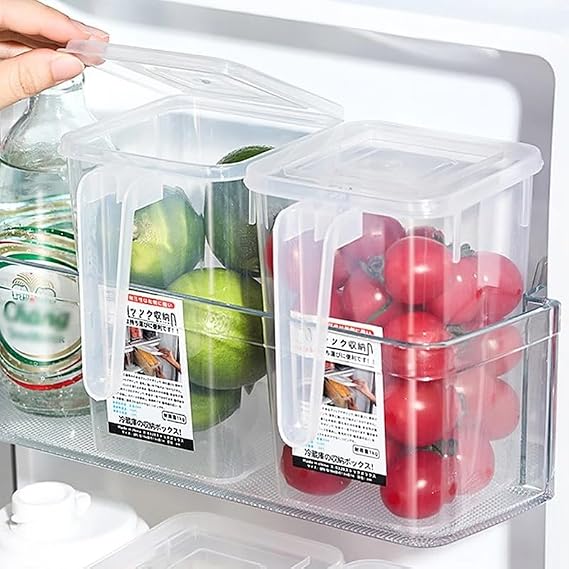
Fridge Fruit and Vegetable Storage Boxes
View on Amazon
Kitchen Counter Organizer
View on Amazon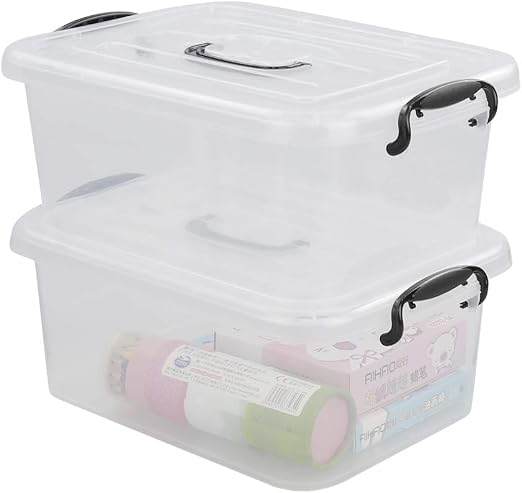
Clear Storage Box with Handle
View on AmazonFrequently asked questions
What's the best way to organize kitchen spices?
Make every jar visible on one level: a tiered rack inside the cabinet or a rotating rack in the corner. Alphabetical or daily-use ordering cuts search time more than adding shelves.
How do I use the space under the kitchen sink with pipes in the way?
Use an adjustable-height organizer or a U-shaped shelf that passes around the pipe. Sliding drawers also help because they bring contents out instead of reaching into the depth.
How do I get rid of kitchen and fridge odors?
Check the source first: the sink strainer, the trash bin, and expired food in the fridge. After cleaning, a tightly lidded bin and a fridge odor absorber keep the smell from coming back.
Where do I start if my kitchen is very small?
Start with the counter and drawers — they affect how cramped the kitchen feels the most. Then use the height inside the cabinets. Upload a photo of your kitchen on the home page and we'll rank the priorities within your budget.
Your kitchen is different? Snap it and leave it to us
Upload a photo of your kitchen and set your budget — we'll detect the problems and suggest the right touches.
As an Amazon Associate we earn from qualifying purchases. Wesh Naqes? is not affiliated with or endorsed by Amazon, and Amazon does not endorse our recommendations. Disclosure details